


-

Add: HeBei ShengShi HongBang Cellulose Technology CO.,LTD.
-

Email
13180486930@163.com -

CONTACT US
+86 13180486930




Retained Hydroxypropyl Methylcellulose (HPMC) has long been a cornerstone in various industrial and pharmaceutical applications, offering versatile properties that enhance product formulations, consistency, and performance. The recent discontinuation of certain retained HPMC products has sparked concern and curiosity among businesses and consumers who relied on its unique benefits. This article delves into the implications of this discontinuation, offers alternatives, and discusses the broader impact on industries that heavily utilized these products. Retained HPMC is renowned for its exceptional ability to control moisture, serve as a thickening agent, and sustain the stability of emulsions and suspensions. Its non-toxic, inert properties have made it a popular choice in the pharmaceutical industry for coating tablets, controlling drug release , and even in topical formulations. The construction sector also values HPMC for enhancing the workability of mortar and cement products, reducing water retention, and promoting adhesive properties. The discontinuation of retained HPMC products can be attributed to several factors, including shifts in market demand, advancements in technology, and changes in regulatory standards. For instance, increasing scrutiny over synthetic additives and a growing push for more sustainable, biodegradable alternatives have influenced manufacturers to reconsider their product lines. Furthermore, innovations in biopolymers and natural thickeners are providing effective substitutes that align with contemporary consumer preferences for eco-friendly ingredients. Businesses reliant on retained HPMC must now explore alternative solutions that can offer comparable performance characteristics. One promising substitute is cellulose ethers derived from natural sources, which maintain the desirable properties of HPMC while addressing environmental concerns. These alternatives minimize ecological impact and align with the industry's movement towards more sustainable practices. Moreover, professionals working in R&D departments are tasked with reformulating products to adapt to the absence of retained HPMC. This presents an opportunity for embracing innovation, as new formulations can potentially outperform traditional ones not just in terms of efficacy, but also in meeting regulatory standards and consumer expectations. Collaborative efforts across industries may foster the rapid development and acceptance of suitable replacements, thereby maintaining product integrity and customer satisfaction. retaine hpmc discontinued For industries such as pharmaceuticals and construction, the transition away from retained HPMC products necessitates thorough testing and validation processes to ensure the quality and safety of new formulations. This requires increased investment in R&D and robust collaboration with suppliers who can provide consistent, high-quality alternative ingredients. The discontinuation also highlights the importance of future-proofing product development to anticipate market shifts and regulatory changes. Companies that invest in adaptable, innovative solutions position themselves advantageously to navigate potential disruptors, ensuring long-term resilience and competitiveness. Engaging with regulatory bodies, industry groups, and consumer feedback can offer valuable insights and guide the development of high-performing alternatives. While the phase-out of retained HPMC products may pose challenges, it also paves the way for forward-thinking companies to lead the charge in sustainable innovation. By embracing this change, industries can not only sustain their operations but also contribute to broader environmental goals and enhance their reputation as conscientious, responsible market players. In conclusion, the discontinuation of retained HPMC products necessitates a strategic pivot towards sustainable alternatives. Through embracing innovation, rigorous testing, and cross-industry collaboration, companies can effectively navigate this transition. This approach ensures that businesses remain competitive and responsive to evolving market demands and regulatory landscapes, all while contributing positively to environmental sustainability.
- 40000tons

Production
- 20+years

Experience
- 5000+㎡

Acreage

-
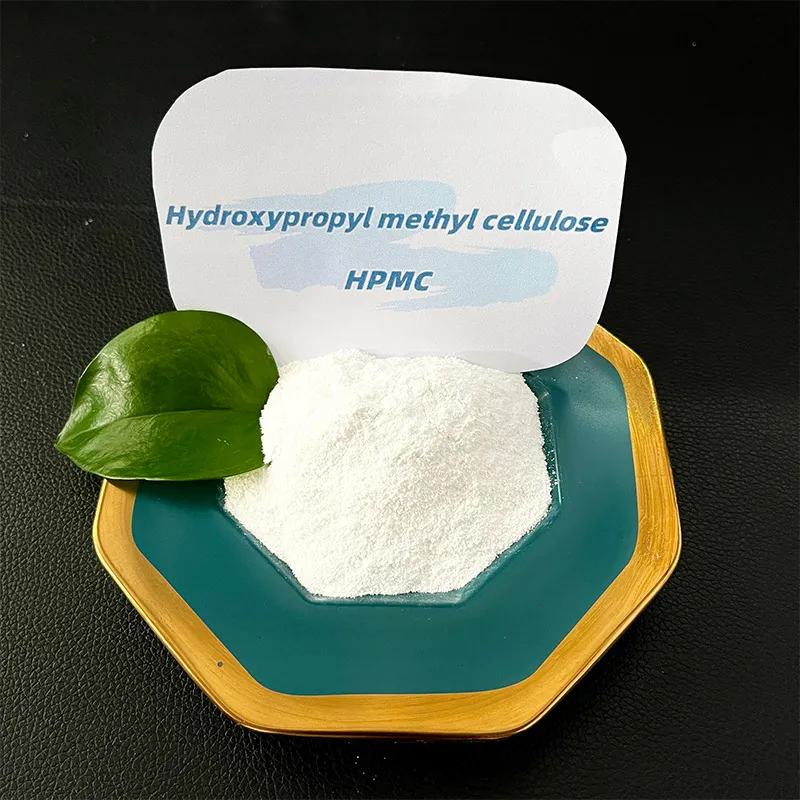
Hydroxypropyl methylcellulose (HPMC) is an intriguing compound that has carved its niche in the product world due to its multifaceted applications and properties. As someone deeply experienced in the domain of cellulose derivatives, I can attest to the remarkable benefits and versatility of HPMC, which transcend its basic chemical composition. To begin with, understanding HPMC's chemical structure is crucial for leveraging its full potential. HPMC is a chemically modified cellulose ether, derived from cellulose, one of the most abundant natural polymers. This modification endows it with water solubility and surface activity, making it incredibly useful in industries ranging from pharmaceuticals to construction. In the pharmaceutical domain, HPMC is lauded for its proven efficacy as an excipient. Its role as a film-coating agent helps in the sustained release of active ingredients, thereby enhancing the therapeutic efficacy and patient compliance. I have observed firsthand how pharmaceutical formulations utilizing HPMC achieve consistent drug delivery, which is critical in chronic health conditions where dosage accuracy is paramount. Moreover, HPMC's application in the food industry cannot be overstated. As a food additive, it functions as a thickening, stabilizing, and emulsifying agent, all of which are essential for the texture and shelf life of various products. Its non-toxic and non-allergic properties further underscore its safety, a factor that is heavily scrutinized in food manufacturing. In the construction sector, HPMC stands out as a game-changer. It plays a crucial role in the formulation of construction materials such as tile adhesives, wall putties, and cement renders. Based on my experience in the field, HPMC contributes to improved workability, water retention, and open time of cement-based products. This ensures that construction tasks are executed with higher precision and durability, qualities that professionals continuously seek in materials. hpmc hydroxypropyl methylcellulose From an authoritative standpoint, the global acceptance and regulatory approvals of HPMC speak volumes about its trustworthiness and reliability. The compound complies with numerous international standards, including those set by the US FDA and the European Food Safety Authority (EFSA), reinforcing its credibility in its varied applications. Furthermore, as sustainability becomes increasingly vital, HPMC's inherent biodegradability positions it as a preferable choice over synthetic alternatives. Companies aiming to enhance their environmental footprint find HPMC a suitable ally in reducing the carbon impact traditionally associated with certain manufacturing processes. In my expert opinion, businesses and consumers alike should harness the full potential of HPMC by understanding its diverse applications and the scientific principles governing its functionality. This knowledge empowers informed decision-making, ensuring that HPMC is not only utilized effectively but also ethically, in alignment with global sustainability goals. In conclusion, hydroxypropyl methylcellulose is not merely a product but a transformative material that embodies a blend of innovation , safety, and environmental responsibility. Its strategic use across various sectors continues to shape industries and improve product performance, establishing it as a cornerstone in modern manufacturing and development.
-
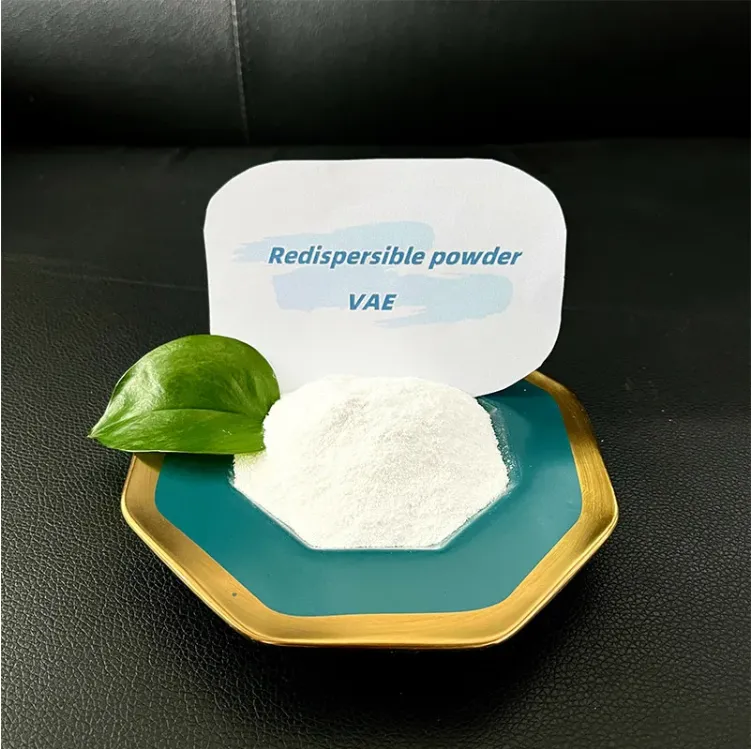
HPMC Connect is rapidly emerging as a pivotal element in the pharmaceutical and construction industries. As a product, HPMC (Hydroxypropyl Methylcellulose) Connect has garnered attention for its exceptional properties and versatile applications, making it an indispensable resource for manufacturers and builders alike. Users of HPMC Connect benefit from its unparalleled viscosity-modification capabilities. In the pharmaceutical sector, this translates to enhanced control over drug release profiles, ensuring that medication delivers its therapeutic effects at a consistent rate. Pharmaceutical experts have found that HPMC Connect improves the stability and solubility of active pharmaceutical ingredients (APIs), which is crucial in the development of controlled-release formulations. This expertise is backed by numerous studies that highlight its efficacy in overcoming the challenges associated with poorly water-soluble drugs, thereby improving bioavailability and patient compliance. In construction , HPMC Connect serves as a crucial additive in cement and grout mixtures. It dramatically improves workability and adherence, ensuring efficient application and lasting durability of construction materials. This property is particularly valued in high-performance building projects, where material reliability is non-negotiable. Builders cite HPMC Connect's role in optimizing water retention in cementitious mixes, reducing shrinkage and cracking, and enhancing the end product's surface finish. These benefits are critical not only from a structural standpoint but also in meeting stringent building standards and regulations. What sets HPMC Connect apart is its authoritative standing in safety and environmental compliance. It is recognized for being non-toxic and biodegradable, making it a preferred choice for contemporary eco-conscious industries. Regulatory bodies have acknowledged its safety in both ingestion and dermal contact, which adds an additional layer of trust for companies looking to incorporate it into their products without compromising consumer safety. The seamless integration of HPMC Connect into various manufacturing processes underscores its reliability and the high level of trust the industry places in it. Technical support teams equipped with extensive expertise about HPMC formulations provide guidance to companies maximizing its potential benefits. This accessibility to expert advice ensures that businesses can navigate the complexities of formulation adjustments while maintaining product integrity and efficacy. hpmc connect Moreover, HPMC Connect's adaptability extends to its functionality across different climatic conditions, which is a decisive factor for global enterprises operating in varied environments. It maintains its performance standards regardless of humidity or temperature fluctuations, offering uniform results worldwide. Manufacturers appreciate this consistency, as it simplifies logistics and quality control across international production facilities. In terms of real-world experience, numerous testimonials from industry leaders accentuate the transformative impact of integrating HPMC Connect into their operations. From pharmaceutical companies developing next-generation drug delivery systems to contractors achieving superior finishes on architectural projects, the product's contributions are indispensable. It has a proven track record of enhancing product performance, not just meeting but exceeding customer expectations. HPMC Connect continues to advance its relevance through ongoing research and development. Committed to innovation, the producers behind HPMC Connect are actively engaged in discovering new applications and improving existing formulations to meet ever-evolving industry demands. This proactive approach ensures that the product remains at the forefront of technological advancements, offering cutting-edge solutions. In conclusion, HPMC Connect stands as a testament to the synthesis of safety, efficiency, and adaptability in both pharmaceuticals and construction. Its esteemed position is reinforced by rigorous scientific validation and widespread industry endorsement. Companies seeking a product that delivers consistent results with authoritative backing can confidently choose HPMC Connect, knowing it upholds the highest standards of trustworthiness and expertise.
advantages
-

200000 Viscosities
Excellent product
We can produce pure products up to 200,000 viscosities
-

40000 tons
High yield
We don’t stop production all year round, and the annual output can reach 40,000 tons
-

24 hours
Quality service
We provide 24-hours online reception service, welcome to consult at any time
———— Inquiry Form
Schedule A services
-
 hydroxypropyl_starch_phosphate_hair
Oct . 25, 2025
Hydroxypropyl methylcellulose (HPMC) K4M is a versatile polymer extensively utilized across numerous -
 hpmc_online
Oct . 25, 2025
About the Author Dr. Emily Chen , PhD in Material Science with 15 years of experience in cellulose t -
 olefin_polypropylene
Oct . 25, 2025
In the dynamic world of construction and interior finishing, the importance of time and precision ca


